Expert Lawn Care Services: Your Guide to a Healthy, Beautiful Lawn
Professional lawn care services play a crucial role in preserving a lush and thriving lawn. These professionals understand regional conditions and offer tailored solutions for soil health, fertilization, and pest management. Homeowners frequently overlook the value of expert assistance. A carefully maintained lawn not only boosts curb appeal but also contributes to property value. However, selecting the right service can be difficult. What factors should homeowners consider when seeking professional help?
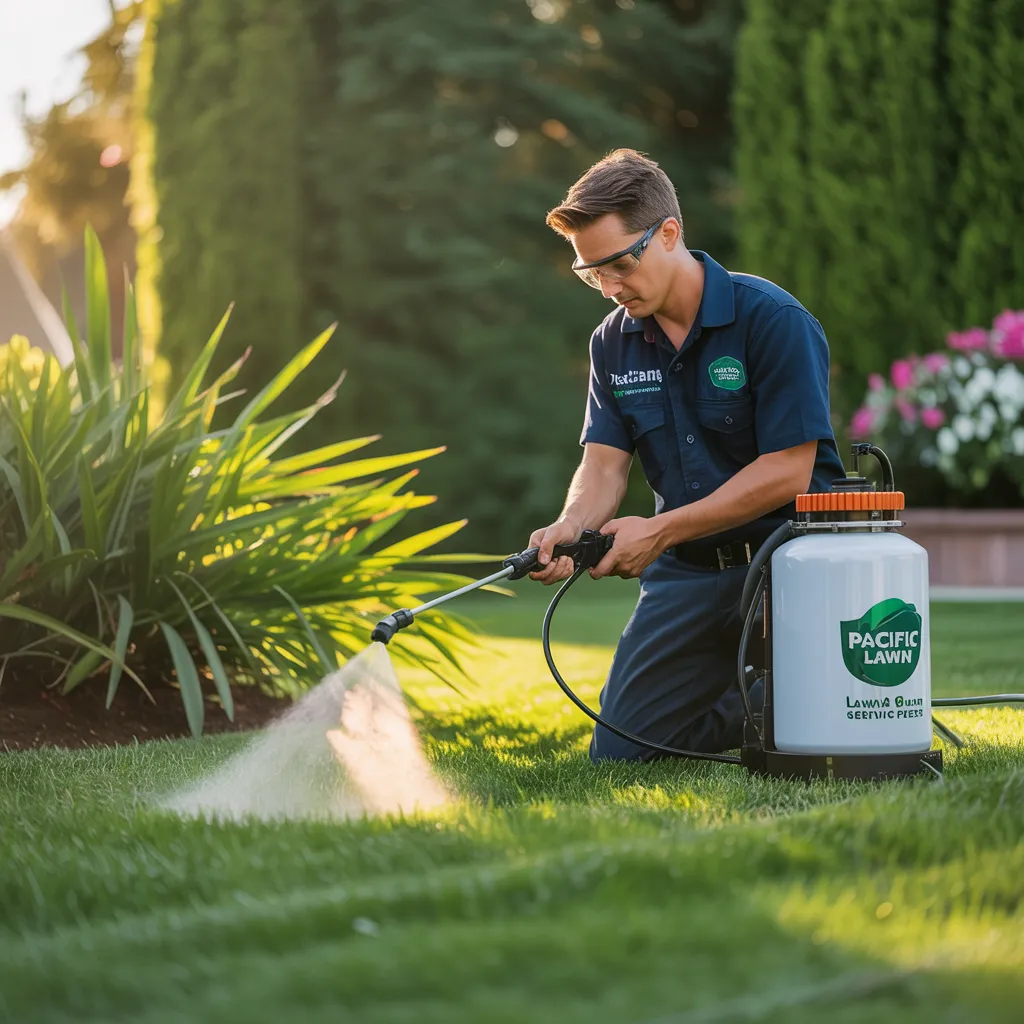
Why Expert Lawn Care Is Important for Your Home
Even though many homeowners choose to tackle lawn upkeep themselves, professional lawn care services offer essential expertise that greatly enhances the health and appearance of a property's outdoor space. These professionals possess in-depth knowledge of local soil conditions, climate factors, and grass types, enabling them to develop customized maintenance plans that produce outstanding outcomes. Their expertise allows them to detect developing problems before they worsen, ensuring that lawns remain vibrant and lush.
In addition, professional services utilize sophisticated tools and superior products that are often unavailable to the ordinary homeowner. This not only improves efficiency but also enhances the general effectiveness of lawn treatments. By working with specialists, homeowners can save time and reduce the risk of costly mistakes. In the end, investing in professional lawn care encourages a healthier environment and elevates the curb appeal of a home, contributing to increased property value and enjoyment of the outdoor space.
Fundamental Lawn Care Services: What Experts Deliver
Comprehensive lawn care services include vital responsibilities that support a healthy and flourishing yard. Primary services feature soil condition evaluations to measure nutrient content, nutrient application and fertilization programs to encourage healthy development, and targeted pest and weed management to preserve lawn integrity. These offerings help lawns maintain their health and beauty year-round.
Soil Health Assessment
Achieving a thriving lawn starts with well-maintained soil, making soil health evaluation a vital service delivered by lawn care specialists. This process encompasses examining soil makeup, pH balance, and nutrient levels to gauge the overall state of the soil. Skilled technicians use dedicated instruments and approaches to obtain samples and assess them thoroughly. Upon discovering gaps or inconsistencies, they can propose targeted treatments and strategies designed to address the particular demands of the lawn. Moreover, soil health analyses contribute to a deeper understanding of microbial activity in the soil, which is essential for effective nutrient cycling. As a result, a detailed assessment creates the basis for productive lawn care approaches, making certain that the lawn receives the critical backing required for maximum growth and vitality.
Fertilisation and Nutrient Management
Fertilization and nutrient management are essential elements of proper lawn care, directly influencing the condition and look of the grass. Specialists analyze the particular nutritional requirements of the lawn, often utilizing soil tests to uncover nutritional shortfalls. This tailored approach guarantees that the right fertilizers are applied, fostering superior growth and durability. Turf care specialists generally advise a well-rounded combination of nitrogen, phosphorus, and potassium, which are fundamental for strong advancement. Moreover, they time applications according to seasonal demands, enhancing nutrient efficiency while limiting waste. Appropriate timing and approach in fertilization not only enhance the lawn's visual appeal but also strengthen its general condition, leading to a lush, green landscape that withstands environmental stressors effectively.
Pest and Weed Control
Preserving a thriving lawn necessitates diligent pest and weed control, as these threats can quickly compromise its health. Expert lawn maintenance providers apply diverse strategies to successfully control pests and weeds, ensuring the lawn stays healthy and flourishing. Integrated Pest Management (IPM) methods are widely implemented, blending biological, cultural, and chemical solutions to limit damage to beneficial creatures. Additionally, experts identify specific weeds and pests, tailoring their strategies to target these threats without harming the surrounding environment. Routine assessment and swift responses are vital, as early recognition can minimize widespread destruction. By utilizing advanced tools and knowledge, professionals not only eliminate current infestations but also implement preventative measures, ensuring long-term lawn health and aesthetic appeal.
Picking the Ideal Lawn Care Service: Essential Things to Keep in Mind
How do homeowners go about finding the most suitable lawn care service to meet their needs? First, they should assess their specific requirements, such as lawn size, desired services, and budget. Researching local companies is essential; homeowners can read reviews and ask for recommendations from neighbors. It is also important to verify credentials, ensuring the service is licensed, insured, and certified by relevant professional organizations.
Next, homeowners should look into the available services, including organic treatments and tailored service packages. A reliable company will present a thorough, well-structured plan covering the services, costs, and frequency. Furthermore, customers should assess service responsiveness; clear dialogue and timely responses are significant signs of a trustworthy provider.
Finally, requesting a consultation can help homeowners assess professionalism and expertise. By considering these factors, homeowners can arrive at well-informed choices and ultimately enjoy a lush, healthy lawn customized to suit their specific requirements.
What Happens in a Lawn Care Consultation?
What do homeowners experience during a lawn care consultation? To begin, a professional will assess the property, reviewing the lawn's general condition, soil composition, and current plant life. This assessment helps pinpoint specific problems, such as pests, diseases, or nutrient deficiencies. Homeowners may be consulted about their lawn care goals, desired outcomes, and any past treatments.
Once the assessment is finished, the specialist will deliver customized advice. Such recommendations might cover the types of treatments and fertilizers required, as well as a suggested care schedule. Homeowners will also receive guidance on the most effective methods for mowing, watering, and pest control.
The consultation typically concludes with an overview of pricing and available services, enabling homeowners to choose wisely. This collaborative approach guarantees that the homeowner's expectations align with professional expertise, setting the foundation for a thriving lawn.
Seasonal Lawn Care Tips: Approaches to a Lush and Vibrant Lawn
Proper lawn maintenance demands a year-round strategy to achieve peak vitality and development. In spring, essential groundwork set the foundation for a lush lawn, while warm-season care methods serve to preserve its vigor. As the fall season begins, applying seasonal cleanup methods proves critical for the lawn's durability during the cold winter season.
Spring Setup Necessities
With spring on the horizon, homeowners must prepare their lawns for the growing season ahead. Beginning with debris removal, such as clearing leaves and branches that may choke the grass underneath, sets the stage for a healthy lawn. Soil aeration plays a key role, enabling water and nutrients to reach deeper layers and encouraging strong root development. Conducting a soil pH test can direct your fertilization efforts, guaranteeing optimal nutrient levels for thriving grass. Homeowners should also consider overseeding to fill in bare patches and enhance the lawn's density. The application of a pre-emergent herbicide can be instrumental in keeping invasive weeds from taking hold. Lastly, setting up a consistent watering routine is critical, since steady moisture levels play a significant role in maintaining a flourishing lawn. Together, these spring preparation measures establish the basis for a flourishing and beautiful outdoor area.
Summer Upkeep Methods
Keeping a vibrant lawn during the summer season requires careful planning and dedicated effort. Adequate irrigation is crucial; lawns typically require about one inch of water per week, optimally delivered early in the morning to minimize evaporation. Cutting grass at the proper level—generally around three inches—encourages stronger root development and lessens grass strain. Moreover, consistent application of a slow-release nitrogen fertilizer encourages strong development without damaging the turf. Core aeration helps relieve compacted soil, allowing air and nutrients to penetrate effectively. Finally, watching for pests and fungal issues allows for quick action, preserving the integrity of your grass. By following these practices, homeowners can achieve a vibrant, resilient lawn throughout the summer.
Autumn Cleanup Techniques
A thorough fall cleanup is essential for preparing a lawn for the colder months ahead. This process begins with raking leaves to prevent smothering the grass, which can lead to mold and disease. Additionally, homeowners should clear away any debris, such as branches or dead plants, to promote healthy growth in the spring. Soil aeration is another important step, since it boosts water penetration and nutrient absorption. A fall fertilizer application can further reinforce the lawn's ability to withstand winter stress. Finally, overseeding can improve density and fill in bare spots, ensuring a lush, green lawn when warmer weather returns. Applying these methods will help develop a flourishing lawn prepared to withstand winter's challenges.
Avoid These Common Lawn Care Pitfalls
Successful lawn maintenance depends on awareness and proper technique, yet many homeowners unknowingly fall into common mistakes that can compromise their efforts. One frequent mistake is improper mowing height; mowing the lawn too low can damage root systems and encourage weed growth. Moreover, overwatering is another common issue, leading to shallow root systems and increased susceptibility to disease. Homeowners frequently neglect soil health in addition, overlooking pH testing and the addition of vital nutrients.
One other common error is applying fertilizers or pesticides without understanding their application rates, which can harm both the lawn and the environment. Timing is crucial; applying treatments at the wrong season can lead to disappointing outcomes. Finally, many overlook proper aeration, failing to relieve soil compaction that limits essential air and water flow. By understanding these mistakes, homeowners can more effectively plan their lawn care, leading to a vibrant and healthy landscape.
Basic Tips for Looking After Your Lawn Between Services
Routine care for your lawn between service appointments can substantially boost the overall condition and look of your yard. Homeowners are encouraged to begin with consistent mowing, ensuring blades are sharp to avoid tearing grass. Keeping grass at a height of approximately three inches promotes stronger root development and helps retain soil moisture.
Watering is essential, but it should be done in the early morning hours to limit water evaporation. A thorough watering every few days is preferable to shallow, repeated watering.
Weed control is another important task; pulling weeds by hand or using targeted herbicides can prevent them from competing with grass for nutrients.
Feeding your lawn based on a plan based on grass type and soil condition will deliver critical nutrients.
Ultimately, aerating the lawn once or twice a year supports better soil conditions and improves moisture absorption. By following these simple tips, homeowners are able to preserve a beautiful and flourishing lawn between scheduled professional treatments.
Common Questions and Answers
How Regularly Should I Schedule Professional Lawn Care?
Most experts recommend scheduling professional lawn care services at 4 to 6 week intervals during the growing season. This schedule ensures ideal health, aesthetics, and maintenance, allowing for timely treatments and adjustments according to seasonal requirements.
What Types of Tools Do Lawn Care Professionals Use?
Lawn care professionals utilize a range of equipment, including trimmers, mowers, blowers, seeders, and aerators. This equipment allows them to manage lawns with precision, guaranteeing superior health, beauty, and development during every season of the year.
Do We Offer Organic Lawn Care Solutions?
Yes, organic lawn care options are available. These approaches make use of natural fertilizers, compost, and environmentally friendly pest control, promoting healthier soil and ecosystems while reducing chemical exposure. A growing number of professionals now include organic explore this topic practices as part of their services.
Can Lawn Care Professionals Help With Pest Control?
Indeed, lawn care services can assist with pest control by utilizing numerous methods and solutions. These specialists evaluate pest infestations, suggest suitable remedies, and implement effective solutions to maintain a healthy, thriving lawn while decreasing pest disturbances.
What Steps Should I Take if My Lawn Displays Signs of Disease?
Should a lawn exhibit signs of illness, one should assess the symptoms, improve drainage, adjust watering practices, and administer the proper remedies. Seeking expert advice for a proper diagnosis and customized solutions is often advisable for successful disease control.